
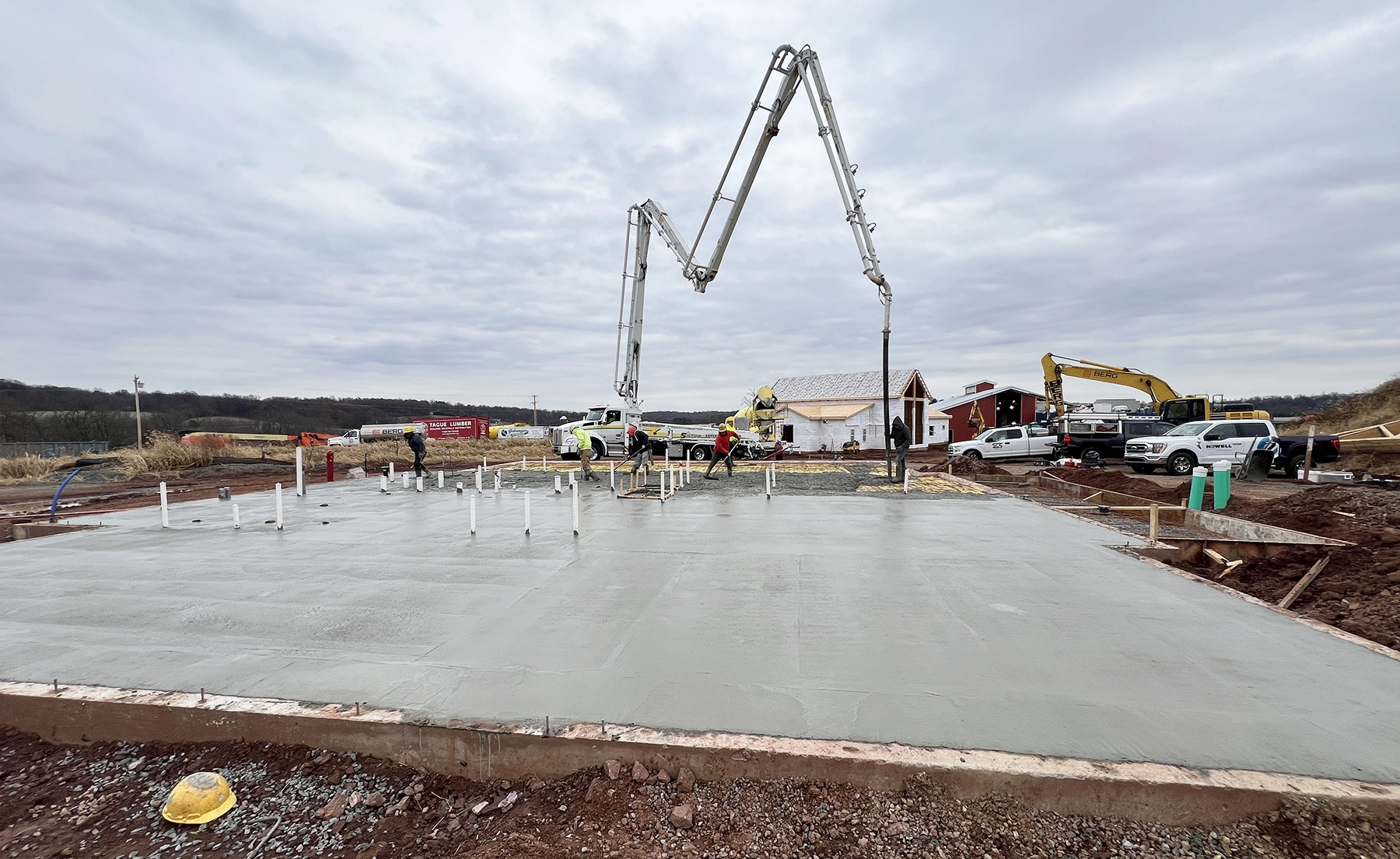
One of the many services we offer at Howell Environmental is construction site inspections, an integral detail of your construction plan. Ensuring your subgrade soil is compacted sufficiently and your concrete is premier quality saves time, energy and money in the long term.
Why is Subgrade so Important?
The subgrade forms the base layer for all other construction, so it must be strong. We ensure the subgrade has been compacted effectively, minimizing soil migration and subsidence in the long term.
We also ensure the new concrete arriving at your construction site is the best quality and will not crack under pressure. Our tests indicate whether parameters of the concrete need to be altered to meet our standards.
How do we Evaluate Existing Building Conditions?
By hiring Howell Environmental, our testing ensures your foundation will last in the long run. For anything from a wastewater treatment plant to a single-family residential property, it’s important to have a strong foundation.
We also inspect the quality of a building’s foundation during Phase I Environmental Site Assessments. Weak areas can become direct access points into soil and groundwater. A cracked floor coupled with an old, rusted heating oil tank can become an immense threat to soil and groundwater.

The above example is a leaking heating oil tank stored on a deteriorated concrete floor. These conditions would tend to require soil sampling and remediation before moving forward. Had the tank been stored on a solid concrete floor, it likely would have been much less of a concern.
A well-compacted subgrade and good-quality concrete create a strong building foundation, which means fluids are contained and soil stays clean.
Contact our experts for a Phase I Environmental Site Assessment whenever conditions are uncertain and before you move ahead.


