
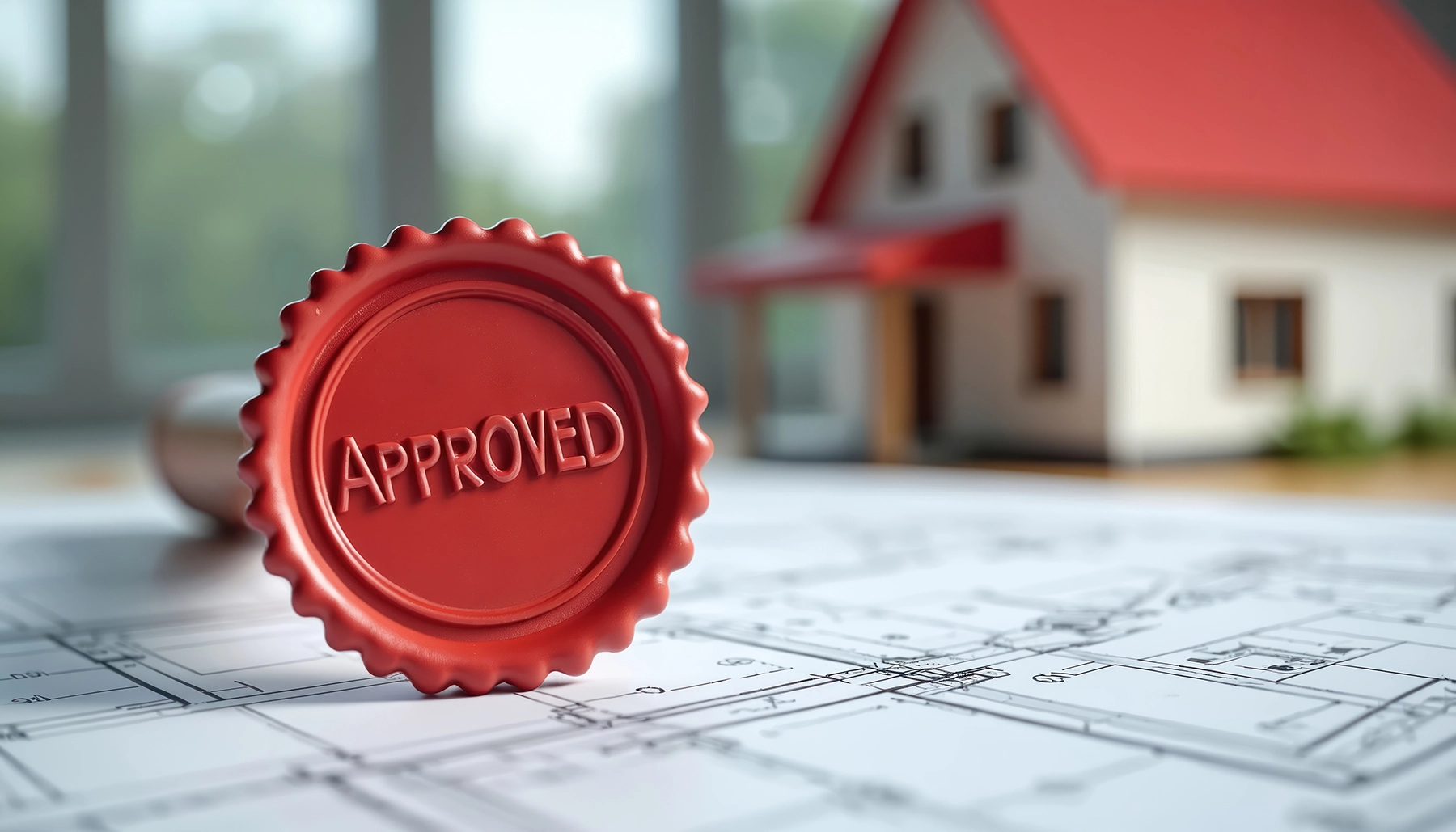

With warmer weather just around the corner, whether you’re planning a home improvement project, fencing in your backyard or preparing for new construction, understanding permit requirements in Anne Arundel and surrounding counties is essential.
Why do I need a permit?
Obtaining the proper permit for your project is a critical step in ensuring all work complies with local building codes and zoning regulations. In simple terms, it protects the long-term value of your property. Working within permit requirements also preserves the sensitive environmental features in and around the Chesapeake Bay area, where responsible development is essential. By regulating construction and land use, permits support neighborhood integrity and help minimize potential risks to your property and the surrounding community.
How do I know?
To determine whether you need a permit in Anne Arundel County and the surrounding counties, the requirement is based on the scope and nature of the work, including the size of the area of disturbance. Projects involving structural changes, additions, utilities or significant alterations do require permits. For example — fences over 6 feet or those located within the critical area, attached decks, finished basements, detached garages, pole barns, sheds above a certain size, patios located in the critical area and pools — all require permits. To understand site-specific considerations, it’s important to know your property information.
Before starting any project, get to know the unique characteristics of your property, as these factors often determine whether permits or additional permits are required. Consider these questions:
- Is your property located within the Critical Area? Properties near the Chesapeake Bay and its tributaries are subject to additional environmental regulations that may limit disturbance and require further permitting.
- What is your property’s zoning classification? Zoning dictates how the land can be used and establishes requirements such as lot coverage, building height, and allowable structures.
- Are there environmental features on your property? Wetlands, floodplains, steep slopes, wooded areas, waterfront buffers and protected habitats can significantly impact what can be built and where it can be located.
- Is your property served by private or public utilities? Well and septic systems require health department approval for the location of sheds, pools and other accessory or addition structures, while public water and sewer connections may involve separate utility permits.
- Does your property have specific setback requirements? Setbacks regulate how far structures must be from property lines, waterways, onsite and offsite well and septic systems, affecting your buildable area.
Since these characteristics can be difficult to identify on your own, Terrain is a valuable resource in assessing your property’s unique conditions. Our team can quickly evaluate permitting requirements, zoning regulations, environmental constraints, Critical Area considerations, setbacks and utility availability to uncover potential challenges. We can assist with a property you currently own or one you’re considering purchasing.
This information helps avoid costly delays and provides confidence in understanding your property’s opportunities and limitations before moving forward with your plans. With the right guidance and due diligence, you can move forward confidently, knowing your project is positioned for compliance and long-term success.
Partnering with Terrain ensures you have the expertise of our engineers and permit techs, to navigate the process smoothly and make informed decisions, every step of the way.


